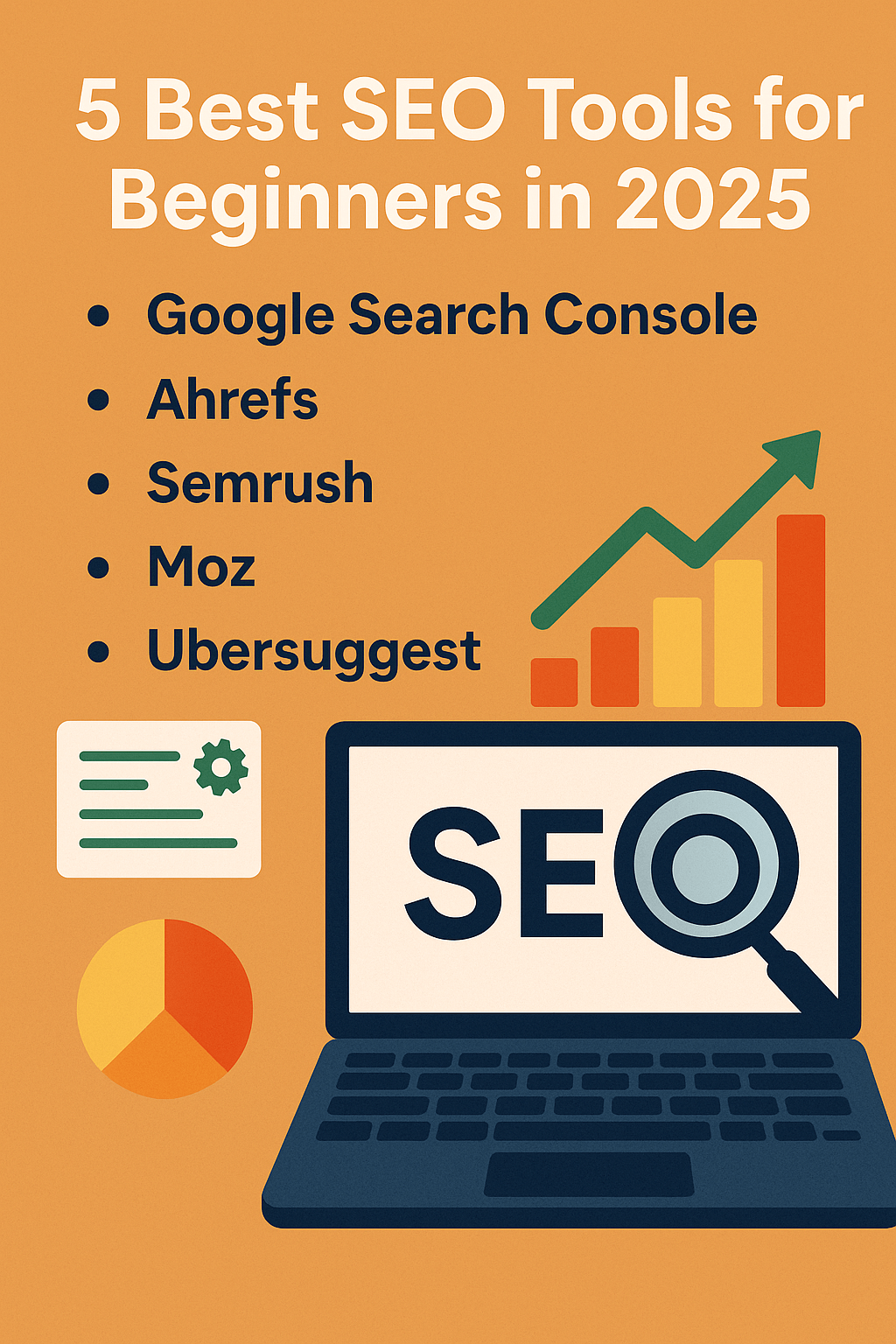
Keyword research for bloggers is the foundation of successful blogging in 2026 because it determines traffic quality, SEO rankings, and AdSense earnings.In 2026, keyword research is no longer about chasing search volume alone. Google now prioritizes search intent, topical authority, and user satisfaction more than ever. That means bloggers who understand why users search for a keyword—and what they expect to see—have a much higher chance of ranking.
This is why keyword research for bloggers must focus on intent, competition, and monetization together. When these three elements align, your blog can generate consistent traffic and income even without backlinks or viral content.
Keyword research for bloggers is the foundation of successful blogging in 2026. Without proper keyword research, even the best-written articles fail to rank, attract traffic, or generate income. Many bloggers work hard but still earn nothing because they target the wrong keywords—keywords with low intent, low CPC, or extremely high competition.
This guide is created specifically for bloggers who want to grow organic traffic, increase AdSense CPC and RPM, and build long-term SEO authority. Whether you are a beginner or already running a blog with AdSense, this pillar post will give you a complete keyword research system—from basic concepts to advanced monetization-focused strategies.
By the end of this guide, you will know how to find keywords that rank faster, attract advertisers, and actually make money.
Contents
- 1 Keyword Research for Bloggers: Core Concept Explained
- 2 Types of Keywords (Informational vs Commercial)
- 3 Buyer Intent Keywords & AdSense CPC
- 4 Keyword Intent Funnel for Bloggers (Awareness → Revenue)
- 5 Low Competition Keywords Explained
- 6 Long-Tail Keywords vs Short-Tail Keywords (What Bloggers Should Target)
- 7 Keyword Difficulty (Manual Analysis)
- 8 How to Analyze the Top 10 Google Results (SERP Breakdown)
- 9 Free Keyword Research Tools (Full Workflow)
- 10 Google Search Console Keyword Mining
- 11 Keyword Research for Bloggers Using Keyword Clusters
- 12 Keyword → Content Brief Template
- 13 Keyword Mapping Strategy for Large BlogsKeyword mapping is the process of assigning specific keywords to specific pages. Without keyword mapping, blogs often suffer from keyword cannibalization, where multiple pages compete for the same search term.
- 14 Common Keyword Research Mistakes
- 15 How Keyword Research Increases AdSense RPM
- 16 Final Strategy & Action Plan
- 17 Real Keyword Research Example (Step-by-Step)
- 18 Keyword Research for AdSense Blogs vs Affiliate Blogs
- 19 How to Validate Keywords Before Writing Content
- 20 Content Formats That Rank Best for Keywords
- 21 How Keyword Research Supports Topical Authority
- 22 Keyword Research vs Content Writing: What Matters More for Bloggers?
- 23 Final Pillar Expansion: From Keywords to Revenue
- 24 How Long Does It Take to See Results from Keyword Research?
- 25 Frequently Asked Questions About Keyword Research
- 26 Keyword Research Checklist for Bloggers (Quick Reference)
- 27 Conclusion
Keyword Research for Bloggers: Core Concept Explained
Keyword research for bloggers is the process of finding and analyzing search terms that people use in Google, then creating content that satisfies those searches better than competitors. For bloggers, keyword research is not just about traffic—it is about earning potential.
A good keyword for bloggers must meet four conditions:
- People are searching for it
- Competition is manageable
- The intent matches your content
- Advertisers are willing to pay
Unlike news sites, bloggers depend heavily on evergreen content. That’s why choosing the right keywords matters more than publishing frequently. One well-researched keyword can outperform ten random articles.
In short, keyword research helps bloggers:
- Rank faster in search engines
- Attract targeted visitors
- Improve AdSense CPC and RPM
- Build topical authority
For bloggers, keyword research also helps in content planning. Instead of guessing what to write next, bloggers can build a clear roadmap based on real search demand. This reduces wasted effort and ensures every article has ranking and earning potential.
Another key benefit is scalability. Once you understand keyword research, you can easily replicate the process across multiple niches or subtopics. This makes blogging a predictable system rather than a hit-or-miss experiment.
Types of Keywords (Informational vs Commercial)
Understanding keyword types is critical before selecting any keyword.
Informational Keywords
Informational keywords are used when people want knowledge or answers.
Examples:
- what is google adsense
- how keyword research works
- how to start blogging
These keywords:
- Bring high traffic
- Are easier to rank for
- Usually have low CPC
They are excellent for building traffic and authority but not ideal alone for monetization.
Although informational keywords usually have lower CPC, they play a critical role in building trust and topical authority. Blogs that completely ignore informational keywords often struggle to rank for commercial keywords later.
A smart strategy is to use informational content to attract users at the awareness stage and then guide them toward commercial content using internal links. This improves session duration and overall site engagement.
Commercial / Transactional Keywords
Commercial keywords indicate buying intent.
Examples:
- best SEO tools for bloggers
- best hosting for wordpress
- high CPC keywords for bloggers
These keywords:
- Have higher CPC
- Attract advertisers
- increase Google AdSense RPM
A profitable blog always balances informational + commercial keywords.Commercial keywords are especially powerful for bloggers using Google AdSense. Since advertisers compete aggressively for these keywords, ads shown on such pages usually have higher CPC and better RPM.
However, commercial keywords are often more competitive. To succeed, bloggers should focus on long-tail commercial keywords such as “best SEO tools for beginners” instead of broad terms like “SEO tools.”

Buyer Intent Keywords & AdSense CPC
Buyer intent keywords are the backbone of AdSense earnings. Advertisers bid higher when users are closer to making a decision.
Compare:
- “what is hosting” → low CPC
- “best hosting for bloggers” → high CPC
Buyer intent keywords work well because advertisers know these users are close to making a decision. As a result, ad auctions become more competitive, which directly increases CPC. Even with moderate traffic, pages targeting buyer intent keywords often earn more than high-traffic informational pages.
This is why many successful AdSense blogs focus heavily on comparison articles, reviews, and best-of lists. These formats naturally align with buyer intent searches.
- best
- top
- review
- comparison
- pricing
- vs
When your content targets buyer intent keywords, AdSense shows competitive ads, which directly increases CPC and RPM. This is why blogs focusing only on informational content struggle to earn.
Keyword Intent Funnel for Bloggers (Awareness → Revenue)
Not all keywords generate revenue immediately. Successful bloggers understand keyword intent as a funnel, not a single step.
At the top of the funnel are awareness keywords. These include informational searches where users are just learning about a topic. While Adsense CPC is low here, these keywords help attract new users and build trust.
In the middle of the funnel are consideration keywords. These users are comparing options, reading guides, and evaluating solutions. CPC starts to improve at this stage.
At the bottom of the funnel are decision or buyer intent keywords. These searches include words like best, review, pricing, and comparison. Advertisers aggressively bid on these keywords because users are close to taking action.
A smart keyword research strategy covers all three stages. Awareness keywords bring traffic, consideration keywords build engagement, and buyer intent keywords generate revenue.
Low Competition Keywords Explained
Low competition keywords are keywords you can realistically rank for without a strong domain.
Characteristics of low competition keywords:
- Long-tail (4–7 words)
- Specific problem-focused
- Forums or weak blogs ranking in top 10
- No strong authority dominance
Bad example:
make money online
Good example:
make money online with adsense for beginners
Low competition keywords allow new bloggers to:
- Rank faster
- Build traffic early
- Gain SEO trust
Always check the search results before choosing a keyword.For new bloggers, low competition keywords act as stepping stones. Ranking for several small keywords builds domain trust over time, making it easier to rank for more competitive keywords later.
Instead of targeting one difficult keyword, it is better to target ten low competition keywords. The combined traffic and authority gained from these keywords often produce better results.
Long-Tail Keywords vs Short-Tail Keywords (What Bloggers Should Target)
Keywords can also be categorized by length: short-tail and long-tail keywords. Understanding the difference is essential for bloggers, especially in competitive niches.
Short-tail keywords usually contain one or two words and have very high search volume. Examples include terms like blogging or keyword research. These keywords are extremely competitive and difficult to rank for.
Long-tail keywords contain four or more words and describe a very specific intent. Examples include keyword research for bloggers using AdSense or low competition keywords for new blogs.
For bloggers, long-tail keywords are far more valuable. They have lower competition, clearer intent, and often higher conversion rates. While individual long-tail keywords may bring less traffic, combined they can drive significant and consistent growth.
Most successful blogs are built on hundreds of long-tail keywords rather than a few high-volume terms.
Keyword Difficulty (Manual Analysis)
You don’t need paid tools to analyze keyword difficulty. Manual analysis works surprisingly well.
Check:
- Domain authority of top 10 sites
- Content depth (thin vs detailed)
- Presence of forums (Quora, Reddit)
- Search intent match
If page one has:
- Weak content
- Poor formatting
- Low topical relevance
→ That keyword is a good opportunity.
Manual SERP analysis is one of the most powerful skills a blogger can learn.Manual keyword difficulty analysis also helps bloggers understand user expectations. If the top-ranking pages are detailed guides, publishing a short article will not work. Similarly, if the top results are list-based articles, writing a generic explanation may fail.
Matching the content format and depth of top-ranking pages is essential for ranking success.
How to Analyze the Top 10 Google Results (SERP Breakdown)
Before writing content, bloggers should always analyze the top 10 Google results for their target keyword. This process reveals what Google already considers high-quality content.
Start by checking the type of content ranking on page one. Are they blog posts, videos, forums, or product pages? This helps identify the preferred content format.
Next, analyze content depth. If the top-ranking articles are long, detailed guides, a short post is unlikely to rank. Similarly, if the results are list-based articles, a generic explanation may fail.
Also check how well the content is structured. Pages with clear headings, images, tables, and internal links often perform better.
This SERP analysis ensures that your content meets or exceeds existing results rather than competing blindly.
Free Keyword Research Tools (Full Workflow)
You don’t need paid tools when starting. Free tools are enough.
Google Keyword Planner
Use it to:
- Discover keyword ideas
- See CPC ranges
- Understand advertiser interest
Ignore exact volume—focus on commercial value.
Google Autosuggest
Type your keyword in Google and note suggestions. These are real searches.
People Also Ask
Use PAA questions to expand content and find subtopics.
Forums & Communities
Search:
site:reddit.com keyword research
site:quora.com adsense cpc
These reveal real problems and natural keyword phrases.Using multiple free tools together gives better results than relying on a single tool. Each tool provides a different perspective, and combining them helps validate keyword ideas before investing time in content creation.
For beginners, mastering these free tools is more important than purchasing expensive SEO software.
Google Search Console Keyword Mining
Google Search Console is the most underused keyword research tool.
Use it to:
- Find keywords you already rank for
- Identify keywords in positions 8–20
- Update old posts to rank higher
This strategy brings faster results than publishing new content from scratch.
If a page already ranks on page 2, improving it can move it to page 1 quickly.Search Console data is especially valuable because it reflects your site’s real performance. Keywords found here already have some trust, which makes them easier to optimize for higher rankings.
Updating existing content using Search Console insights is often faster and more effective than writing new articles from scratch.
Keyword Research for Bloggers Using Keyword Clusters
Instead of writing random posts, smart bloggers use keyword clusters.
What is a cluster?
One main pillar post + multiple supporting articles.
Example:
- Pillar: Keyword Research for Bloggers
- Supporting:
- High CPC keywords for bloggers
- Best SEO tools for beginners
- AdSense RPM optimization
- CPC troubleshooting
This helps Google understand your topical authority and boosts rankings across all related posts.Keyword clustering also improves internal linking structure. When related articles are properly interlinked, search engines can crawl and understand your site more efficiently.
This structure signals expertise and authority, which helps improve rankings across the entire cluster.
Keyword → Content Brief Template
Never write without a content plan.
Simple Content Brief
Target Keyword:
keyword research for bloggers
Search Intent:
Informational + Commercial
Word Count:
3000–4000
Subtopics:
- keyword types
- CPC vs RPM
- free tools
- buyer intent
- examples
Internal Links:
- high CPC keywords for bloggers
- SEO tools for beginners
This ensures consistency and SEO clarity.
Keyword Mapping Strategy for Large Blogs
Keyword mapping is the process of assigning specific keywords to specific pages. Without keyword mapping, blogs often suffer from keyword cannibalization, where multiple pages compete for the same search term.
A proper keyword mapping strategy ensures that each page targets a unique primary keyword along with supporting secondary keywords.
For example, a pillar post targets a broad keyword like keyword research for bloggers, while supporting articles target narrower topics such as high CPC keywords or keyword research tools.
This structure helps search engines understand content hierarchy and improves overall rankings across the site.
Common Keyword Research Mistakes
Avoid these mistakes:
- Targeting only high-volume keywords
- Ignoring buyer intent
- Not checking SERP competition
- Mixing unrelated niches
- Publishing thin content
Most bloggers fail due to poor keyword selection, not poor writing.Another common mistake is copying keyword ideas blindly from competitors. While competitor research is useful, blindly copying without understanding intent often leads to poor results.
Always evaluate whether a keyword aligns with your audience and monetization goals before targeting it.
How Keyword Research Increases AdSense RPM
Better keywords lead to:
- Higher CPC
- Better ads
- Longer session duration
- More pageviews
That’s why keyword research directly affects income. Choosing commercial and problem-solving keywords helps AdSense display valuable ads.
This is how keyword research supports higher RPM even with low traffic.Keyword research improves not only CPC but also engagement metrics. When users find exactly what they are searching for, they stay longer, view more pages, and interact more with content.
Higher engagement improves ad viewability, which plays a key role in increasing overall RPM.
Final Strategy & Action Plan
Here’s a simple action plan:
Week 1: Foundation and Research
Start by learning different keyword types and understanding how search intent works. At the same time, practice manual SERP analysis and shortlist at least 20 low competition keywords with clear ranking potential.
Week 2: Content Creation and Optimization
Next, focus on writing three high-quality blog posts based on your keyword research. Along with new content, optimize existing posts using Google Search Console to improve rankings for keywords already gaining impressions.
Week 3: Structure and Authority Building
Finally, build keyword clusters by connecting related articles and strengthen your site structure. Add internal links strategically to improve crawlability, engagement, and topical authority.
Month 2+
- Target buyer intent keywords
- Expand monetization-focused content
Consistency + strategy beats shortcuts every time.
Real Keyword Research Example (Step-by-Step)
Let’s walk through a real keyword research example to understand how the entire process works in practice.
Step 1: Choose a base topic
Suppose your blog niche is blogging and AdSense. Your base topic could be “keyword research.”
Step 2: Expand using Google Autosuggest
Type “keyword research for” in Google. You may see suggestions like:
- keyword research for bloggers
- keyword research for AdSense
- keyword research for beginners
These suggestions come directly from real user searches.
Step 3: Check buyer intent
Now evaluate intent. “Keyword research for bloggers” has informational + commercial intent, making it suitable for AdSense monetization.
Step 4: Analyze SERP
Search the keyword in Google. If you see:
- Medium blogs
- Forums
- Thin content
This indicates ranking opportunity.
This step-by-step approach ensures you target keywords with both ranking and earning potential.
Keyword Research for AdSense Blogs vs Affiliate Blogs
Keyword research strategy changes depending on your monetization method. AdSense blogs and affiliate blogs require different keyword approaches to maximize earnings.
When a blog relies on Google AdSense, the primary focus should be on traffic volume and user engagement. In this case, bloggers should target a mix of informational and buyer intent keywords while optimizing overall RPM rather than focusing only on single-click value.
Affiliate-focused blogs, on the other hand, depend more on conversion-driven traffic. These blogs usually target strong buyer intent keywords, attract fewer visitors, but generate higher revenue per visit.
Because AdSense earnings depend on ad impressions and session duration, content depth and user engagement matter more than aggressive sales intent.
Understanding this difference helps you design the right content strategy.
How to Validate Keywords Before Writing Content
Before writing any article, validate your keyword using this checklist:
- Does this keyword have search intent clarity?
- Can I create better content than page one?
- Is there monetization potential (ads or affiliate)?
- Does this fit my blog’s topical focus?
If the answer is “no” to any of these, skip the keyword.
Validation prevents wasted effort and improves long-term SEO results.
Content Formats That Rank Best for Keywords
Not all content formats perform equally.
High-performing formats:
- Step-by-step guides
- List posts
- Comparison articles
- Tutorials
- Case studies
Low-performing formats:
- Short generic posts
- Opinion-only content
- Thin summaries
Matching the content format with keyword intent dramatically improves ranking chances.
How Keyword Research Supports Topical Authority
Topical authority means Google trusts your website on a specific topic.
Keyword research helps build topical authority by:
- Identifying related subtopics
- Structuring internal links
- Avoiding random content
When Google sees consistent coverage of a topic, rankings improve across the site.
This is one of the biggest reasons pillar posts work so well.
Keyword Research vs Content Writing: What Matters More for Bloggers?
Many beginners believe that writing great content alone is enough to succeed. While content quality is important, keyword research plays a bigger role in determining whether that content will ever be discovered.
Even the best-written article will fail if no one is searching for the topic. Keyword research ensures that content aligns with real user demand. It answers a simple but critical question: “Does this topic deserve an article?”
Content writing focuses on how well you explain a topic. Keyword research focuses on whether that topic should be written at all. Successful blogging requires both, but keyword research always comes first.
In practice, keyword research decides the direction of your blog, while content writing determines how well you perform within that direction. Bloggers who skip keyword research often write content that feels good to write—but never ranks or earns.
This is why professional bloggers treat keyword research as the foundation and content writing as the execution layer built on top of it.
Final Pillar Expansion: From Keywords to Revenue
Keyword research is not the end goal—revenue is.
When keyword research is done correctly:
- Traffic quality improves
- Ads become more relevant
- CPC and RPM increase
- Earnings stabilize
This is why professional bloggers treat keyword research as a business system, not a one-time task.
How Long Does It Take to See Results from Keyword Research?
Keyword research results do not appear overnight. In most cases, bloggers start seeing noticeable improvements within 2–3 months of consistent implementation.
Initial results include better impressions, improved average position, and higher engagement. As content matures, traffic and earnings grow steadily. Patience and consistency are key to long-term success.
Frequently Asked Questions About Keyword Research
Q1: How many keywords should one blog post target?
A single blog post should focus on one primary keyword and several related secondary keywords. Trying to target too many main keywords often reduces clarity and ranking potential.
Q2: Is keyword density still important in 2026?
Keyword density is less important than natural usage. Google focuses more on topic coverage, context, and user satisfaction than exact keyword repetition.
Q3: Can I do keyword research without paid tools?
Yes. Google Search Console, Keyword Planner, autosuggest, and forums are enough for most bloggers, especially beginners.
Q4: How often should keyword research be updated?
Keyword research should be reviewed every few months. Search trends change, and updating old content with new keywords helps maintain rankings.
Q5: Does keyword research alone guarantee success?
No. Keyword research is the foundation, but content quality, internal linking, and consistency are equally important.
Keyword Research Checklist for Bloggers (Quick Reference)
Before publishing any blog post, use this quick keyword research checklist to avoid common mistakes and improve success rate.
Keyword Selection Checklist:
- Is the keyword something real users search for?
- Does the keyword match the search intent clearly?
- Can you explain the topic better than existing results?
- Does the keyword fit your blog’s main niche?
Competition Checklist:
- Are forums or weak blogs ranking on page one?
- Is the content on page one outdated or thin?
- Can you match or exceed the content depth?
Monetization Checklist:
- Does the keyword have commercial or buyer intent?
- Can AdSense show relevant ads on this topic?
- Can this post internally link to monetized pages?
If most answers are “yes,” the keyword is worth targeting. If not, it is better to skip the keyword and save time.
Using a checklist like this helps bloggers make better decisions consistently instead of relying on guesswork or assumptions.
Conclusion
Keyword research for bloggers is not optional—it is essential. It determines your traffic, income, and long-term success. Bloggers who master keyword research don’t depend on luck or viral traffic; they build predictable growth.
By following this guide, you now have a complete system to find profitable, low competition keywords and turn them into content that ranks and earns. Focus on quality, intent, and structure—and results will follow.